
Sydney’s Lockout Laws Finally End
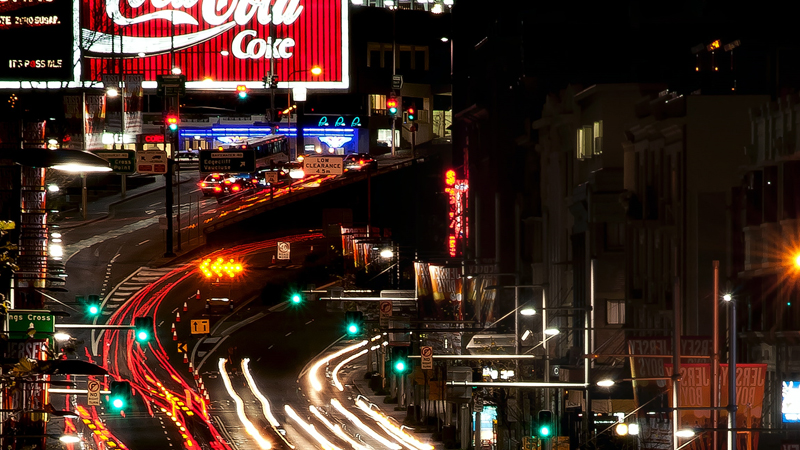
Sydney’s long-running lockout laws have officially been consigned to history, with the final restrictions now abolished, marking a decisive shift in the city’s night-time economy. First introduced in 2014 after a series of high-profile alcohol-related assaults, the laws enforced strict entry curfews and last-drinks rules across major precincts. While designed to improve safety, they quickly became associated with closed venues, job losses and a dramatic decline in after-dark culture.
The move to remove the remaining lockout provisions follows years of review, data analysis and public debate. Research consistently showed sharp drops in live music, small bars and foot traffic, alongside growing concern that the laws displaced incidents rather than resolving them. Gradual easing over the past few years set the stage for this final decision, with policymakers acknowledging the economic and cultural cost to Sydney.
Hospitality groups, musicians and venue operators have largely welcomed the announcement, calling it a long-overdue opportunity to rebuild confidence and creativity. Live music advocates see renewed hope for grassroots venues and emerging artists, while bars and restaurants anticipate extended trading hours and stronger patron engagement. Importantly, authorities have emphasised that the end of lockouts does not mean the end of regulation, with targeted policing, venue accountability and harm-minimisation measures continuing under the NSW Government.
As the city recalibrates, the abolition of lockout laws is being positioned as a reset, not a reversal. The focus now turns to creating a safer, smarter and more sustainable night-time economy that supports culture without compromising public safety. For many, it marks a confident step toward reclaiming Sydney’s identity as a city that stays awake, connected and creatively alive.